

If you’re a politician and your poll numbers aren’t great, there are a couple of things you can do to address the issue.
One approach involves convening a meeting with your advisors and assessing what, exactly, the problem is. In other words: You might parse the polls to determine what voters are upset about on the way to developing a coherent strategy for addressing their concerns. Donald Trump’s doing that. Sort of, and with the caveat he doesn’t publicly admit anything’s wrong, nor concede the polls are bad.
Another approach entails suing pollsters or, failing that, arresting and jailing them. Trump’s not doing that. Yet.
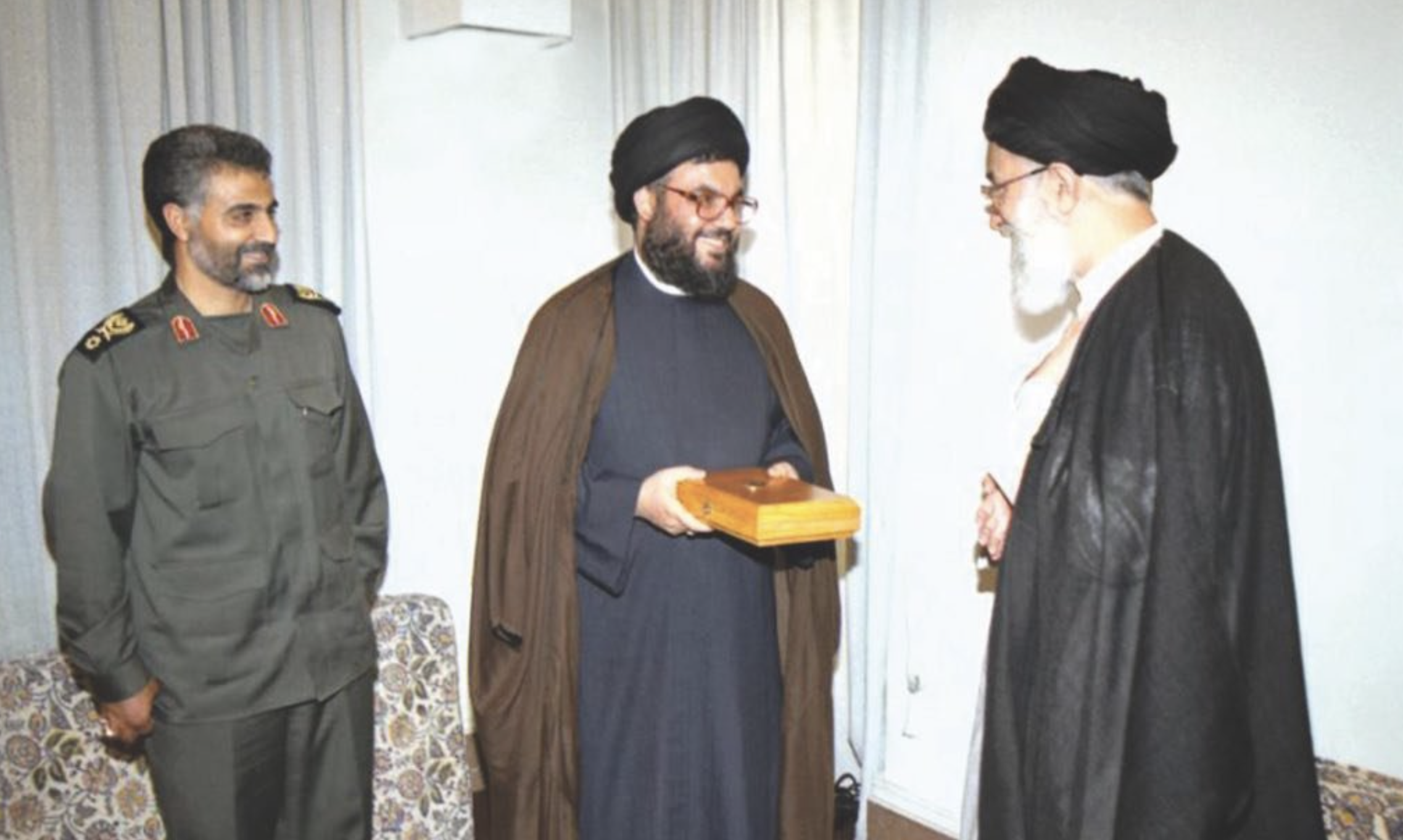
As you might’ve heard, Trump’s approval rating hit a new second-term low in multiple polls this month. At 42.6%, the current RCP average is likewise the lowest of his second go-around. (Technically, that low was 42.2% on January 16, at the height of last week’s Greenland drama and amid rampant speculation that Trump was one twitter taunt away from reuniting Ali Khamenei with The General and Hassan Nasrallah, who are waiting patiently for the Supreme Leader in that glorious war room in the sky.)
The poor polling makes for bad press. “One year later, the second Trump coalition has come apart,” Nate Cohn wrote this week, editorializing around the latest Times/Siena poll. “Trump’s popularity keeps sinking, issue by issue,” Nia-Malika Henderson said, in a piece for Bloomberg Opinion. And on and on.
Trump says — and I’m not exaggerating — that any and all polls which don’t paint an overtly favorable picture of public opinion with regard to his presidency are fake. Full-stop. But he doesn’t really believe that, and I’ll tell you why.
First, and most obviously, around a third of Americans despise Trump and more or less everything and everyone to do with him. Another 10%-15% of voters think he has no business holding the presidency, even if they could care less about private citizen Trump.
Those are facts, they’re glaringly obvious and they’re an important part of Trump’s gimmick. If he were to deny that nearly half the country can’t stand him, then his whole shtick falls apart to the extent it relies on the idea of an “enemy within” and various domestic conspiracies to undermine his program. If there’s no division, there’s no divisive politics, and if there’s no divisive politics, there’s no MAGA.
Mathematically, when 40% (at least) of voters think you shouldn’t be anywhere near the halls of power (which, lest we should forget, Trump’s supporters tried to sack five years ago this month), you’re going to have a difficult time keeping your approval rating above water. It’s just that simple.
So, don’t blame the pollsters. They’re not lying. You can tell because every poll, regardless of who conducts it, still shows very strong approval for Trump among Republicans, even if it’s fraying around the edges and jumps around from week to week.

The figure above shows you Trump’s net approval among GOP voters in YouGov’s poll. At 62% this week, it was a new second-term low, but note how volatile that series is. Last week, his net approval among Republicans was 77%. That’s nearly Putin-level support.
So, again, the first issue for Trump in the polls is Democrats, virtually all of whom disapprove of anything and everything he says and does. The polls aren’t fake, Democrats just hate him. Surely — surely — he understands that.
The other problem is the cost of living which, on the off chance you haven’t noticed (or are too rich to care), is rather high these days. Regardless of who’s to blame — Trump obviously says it’s Joe Biden’s fault — even this president, with his open disdain for facts and numbers, can’t get away with saying homes are affordable, grocery prices aren’t high and so on.
When people can’t afford to buy what they need, they’re going to blame whoever’s in charge. That’s another reason Trump’s poll numbers are slipping, he knows it, and it’s why he’s hitting on the affordability issue so hard.
“Trump’s aggressively pivoting to address affordability, not by monetary, fiscal or trade policy, nor through asset prices, but by aggressive government intervention,” BofA’s Michael Hartnett wrote in his latest, describing Trump’s implicit disavowal of the vaunted “invisible hand” in favor of a “visible fist.”
Hartnett ran through all the things Trump’s announced in recent weeks on the cost-of-living front, including “prodding banks to reduce credit card rates, stopping private equity from buying homes and making tech pay for data center power generation.” (I’ve discussed all of those issues at length in these pages — see here, here and here, for example.)
“Government intervention to reduce the price of energy, healthcare, credit, housing and electricity all via profit margins of ‘big’ corporations [explain why the] underperformance of big energy, big healthcare and big insurance in 2025 [is] mutating into PE, big banks [and] big tech in 2026,” Hartnett said, suggesting small and mid-cap equities may be a “better play for a ‘boom’ on Main Street in the run-up to US midterms.”

Hartnett included the figure above, which just plots the RCP approval average with the S&P. It speaks volumes.
Trump on Thursday indicated he’s had enough of the bad polls and suggested it’s high time to crack down on pollsters. “Something has to be done about Fake Polls!” he exclaimed, apparently irritated at the Times/Sienna survey.
In the same social media post, Trump described polls as “truly OUT OF CONTROL,” “fake,” “ridiculous” and “dangerous.” The “REAL” polls, he went on, are “GREAT, but they refuse to print them.” He didn’t say who “they” are, but suffice to say “they”‘re on notice.
In this week’s “zeitgeist” zinger, BofA’s Hartnett quoted a private client who said, “Thankfully for my portfolio, he’s got no intention of improving the affordability of equities.”


I think what is fake, is one of those people in a family of, or group of, Trump worshipers, who has lost faith, if he or she ever had any in the first place, in Mr. Trump. In his leadership or just in him, but they don’t wish to make enemies of family or friends by openly saying anything negative, so they stay quiet or grudgingly stay in the clique. Remember the days when we did not discuss religion or politics ?